Our Focus
Supporting groundbreaking oncotripsy research at Caltech to fight cancer.


Shattering Cancer:
Support the Future of Oncotripsy at Caltech
"Imagine a cancer treatment that doesn’t require
surgery, radiation, or toxic chemicals!"
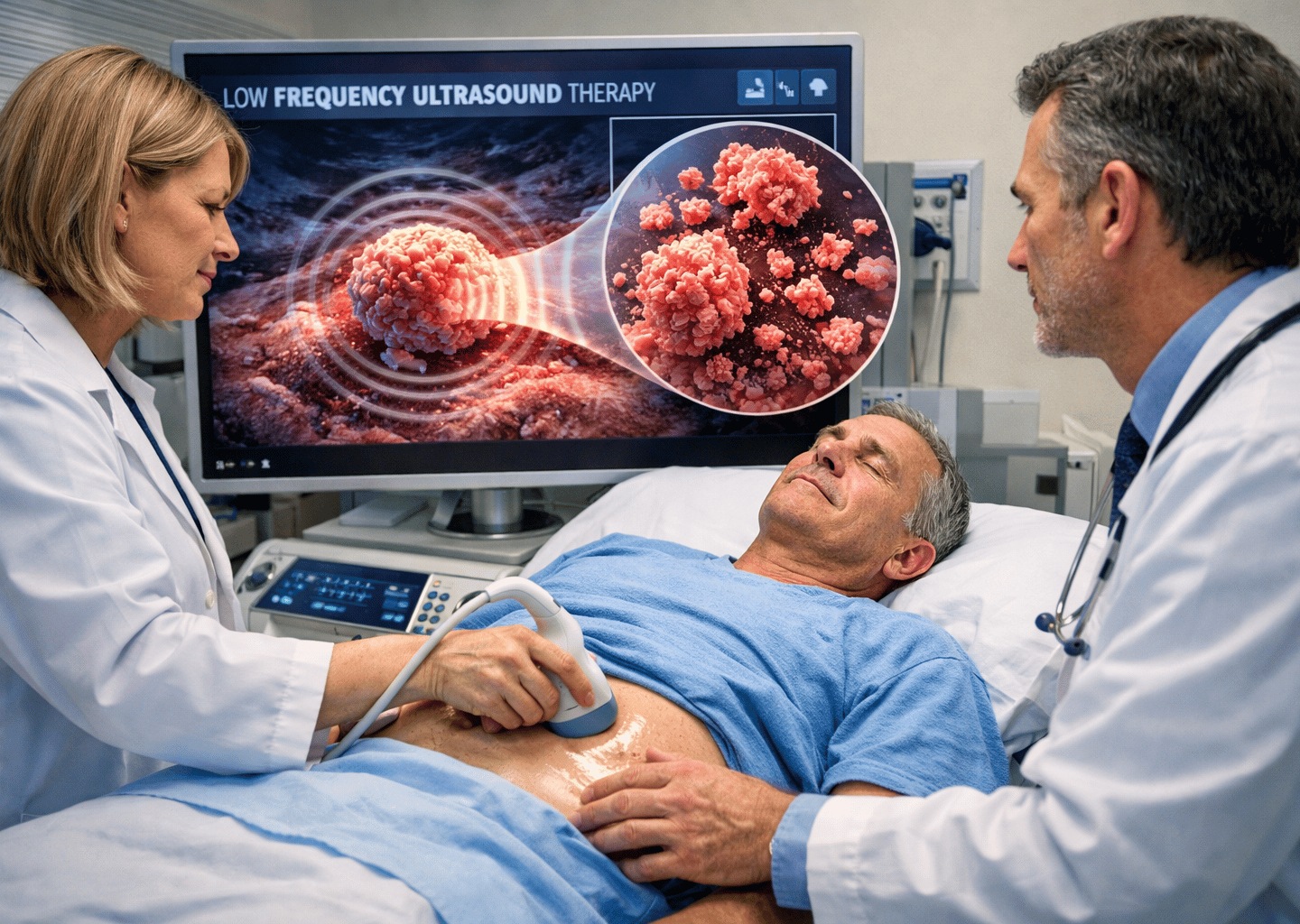
At the California Institute of Technology (Caltech), researchers were perfecting Oncotripsy—a revolutionary method that uses low-intensity ultrasound to selectively 'shatter' cancer cells while leaving healthy tissue completely untouched.
How it Works:
Just as a singer can shatter a wine glass by hitting its specific resonant frequency, oncotripsy uses tuned sound waves to vibrate cancer cells until they rupture. Because cancer cells have different physical properties than healthy cells—they are often softer and have larger nuclei—they respond to frequencies that healthy cells can easily withstand.
Why Your Support Matters:
Traditional treatments like chemotherapy often cause significant 'collateral damage' to the body. Oncotripsy offers a future of non-invasive, side-effect-free healing.
While this technology has shown incredible promise in lab settings, moving from the computer model to life-saving clinical applications requires significant resources.
Help us advance the 'oncotripsy solution' and turn the future of cancer care into a reality today. The momentum has slowed from a euphoria in 2020 to one of wait and see. In the meantime 60 million more people have died of cancer and cancer rates are accelerating.

WHY this website?
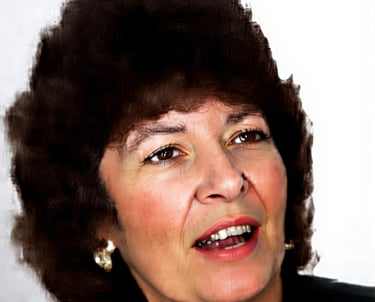
This website was established in memory of Joyce Olson.
Joyce was a mother of three and the spouse of the author of this website. She was diagnosed with ovarian cancer at the age of 51 in early 1993, and underwent surgery at the University of Minnesota. Her oncologist proclaimed that the cancer had been completely removed.
However, she had to endure aggressive chemotherapy—the standard approach at that time. This treatment caused irreversible damage to her body.
In the subsequent years, Joyce underwent several abdominal surgeries as her gastrointestinal system deteriorated.
Following her third surgery, her surgeon, Dr. Daniel Cortez, conveyed to the family the extent of the damage: “I had to try to separate her intestines due to the harm caused by the chemotherapy, which made her insides soft and sticky.” Joyce lived in chronic pain and severe disability for seven years until her passing in June 2000.
Her experience prompts a vital question:
Why do patients continue to suffer and perish from treatment-induced injuries while safer, non-toxic, and mechanically-based alternatives remain underfunded, underexplored, and delayed for decades?
It is primarily about profit! Our medical system is profit-driven, and curing diseases does not yield the same profits as managing them.
This foundation is committed to ensuring that oncotripsy is made available, and in so doing help prevent others from experiencing what Joyce and many others have endured over the years due to the excessive use of cytotoxic substances.


Joyce Olson 1942-2000
**Legal Disclaimer:
This website is not affiliated with, endorsed by, sponsored by, or connected in any way with the California Institute of Technology (Caltech) or any of its departments, researchers, or representatives.
The author of this website is acting independently to advocate for and support increased research attention, funding, and public awareness related to oncotripsy, with the goal of encouraging the timely advancement of clinical studies and the regulatory review process necessary for potential FDA approval.
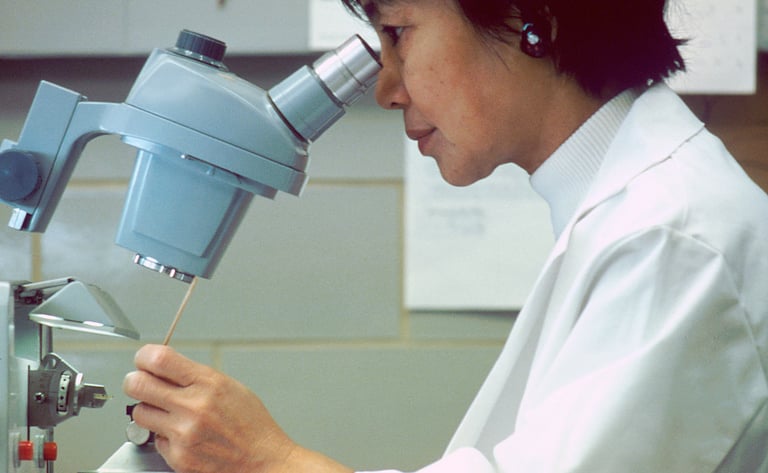

We have reached out to Caltech to support their research, but there has been no response nor any progress whatsoever in the last 6 years since the petri dish successes. I am sad to give the news that there has been no progress in any way (that I have researched) toward the goal of using frequencies to destroy cancer. The public needs answers.
With hope for all, Lee in Florida